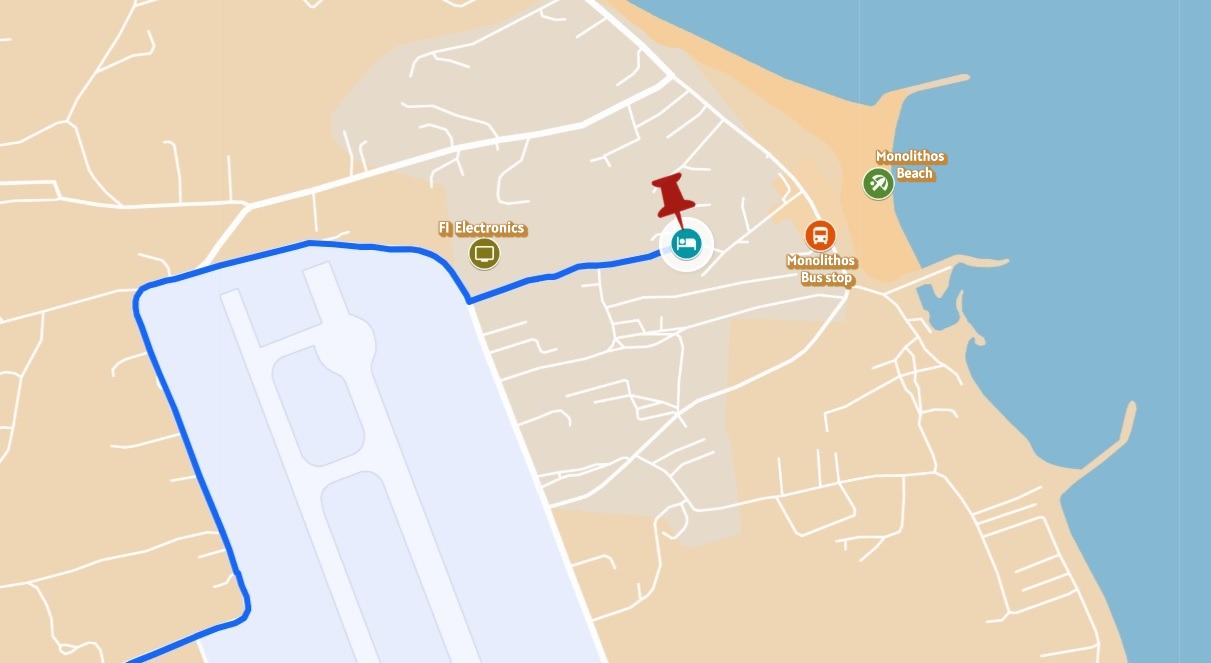
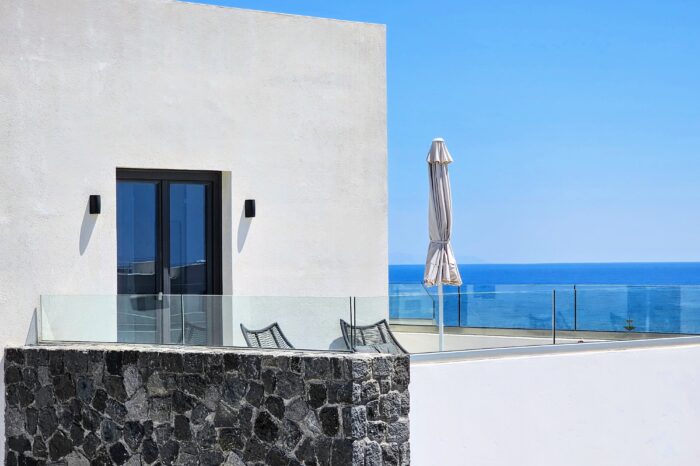
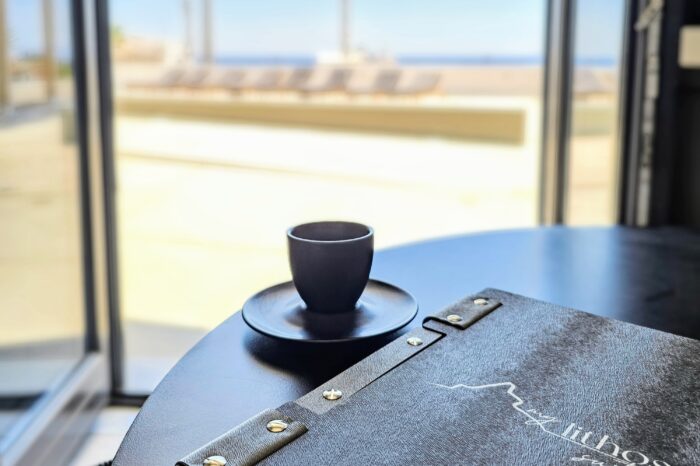
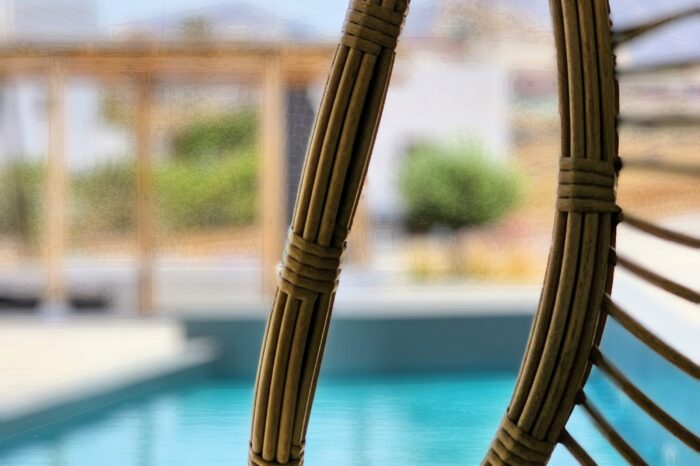
It is truly child’s play. If you are coming by vehicle, just head to the east coast and follow the road signs.
If you are not independent you can always opt for the bus from the main tourist resorts. The bus comes here from Fira and the “Monolithos” bus stop is on the beach, just a 4-minute walk away. There are itineraries every hour, but this depends on the season, so always check the bus schedules.
Journey. Explore. Discover. Repeat.
The history of Santorini is one of the most beautiful narratives of the eternal struggle of man and nature. The initially round shape of the island was the cause of its being called “Strogyli”. As the elements of Nature, which in Santorini are strongly associated with the action of volcanoes, were raging and erupting, the people of the island, over the centuries, found ways to survive and create.
But what then dramatically changed the life of the Mediterranean inhabitants at that time, even plunging most of the island into the sea, today, is the reason to admire with such awe an incomparable beauty landscape.
Must See
Fira, the capital of Santorini, is built on the edge of the caldera at the west side of the island, at an altitude of 250 meters, and was founded in the late 18th century. Apart from the two main museums of interest, the Archaeological Museum of Thera and the Museum of Prehistoric Thera, offers unforgettable walks among picturesque alleys, vivid nightlife and many choices in high-caliber food.
Oia lies in the northern part of the caldera. The village is situated above an impressive cliff overlooking the volcano and the island of Thirassia. The settlement dates back several centuries; it was likely built in the 15th century and is still home to the ruins of a Venetian castle.
Imerovigli, the “balcony of the Aegean” was destroyed during the earthquake of 1956, but it was rebuilt, presenting charming, whitewashed buildings and narrow streets, all while offering stunning views and a serene atmosphere.
Akrotiri is an ancient town that was buried when the volcano erupted 3500 years ago. Evidence of human habitation at the historic site of Akrotiri, dates back to the Neolithic Age (4500 BC), when the village started to grow from a small fishing and farming village that it was, to become very important in the trading business in the Aegean. As indicated by the pottery that was discovered, the residents of Akrotiri had trading relations with Crete, the Dodecanese, Greece’s mainland, Cyprus, and probably Egypt and Syria. This trading activity led the civilization to its growth, enhanced the city’s prosperity, and led the inhabitants to a flourishing way of life. Their high standard of living allowed the inhabitants to express their artistic skills and talents.
The archeologists found large murals that show their influence by the Minoans and constitute a valuable source of information about the way of life back then. They were found in large and small walls, doors and windows and they depict nature, religion and everyday life.
This prosperous society of Akrotiri had an unfortunate end around 1613 BC, as one of the most powerful volcanic eruptions and a major earthquake occurred and buried the town under volcanic ash. This helped in the preservation of the remains of the settlement. The eruption was so strong that changed the morphology of the island of Santorini and connected it with the myth of Lost Atlantis, something that has not been proved scientifically though. Archaeologists are still excavating it, but you can walk around in the little street quarters and see the buildings almost like they were back then.
Ancient Thira is situated on top of a high cliff just above Kamari, at a height of 365 meters above sea level. Built on the ridge of the Mountain, it is dated back to the 8th Century BC and hosted a significant ancient civilization which was considered the religious and commercial center of Santorini. During this period the Dorian colonists from Sparta arrived on the island with their king Theras, founded this city, and named the island Thera in his honor. They had recognized the strategic value of the location, as it constituted an excellent observation spot on the Aegean Sea and a natural fortress due to the steep slopes that it was situated on.
Beaches
Monolithos has the finest sand you can ever find on Santorini. A flat beach of black volcanic sand is among the finest that you can find in Santorini, bathed by a calm sea with clean, shallow waters and colors that go from turquoise to intense blue.
Kamari is situated 2 km south. A long black beach of small pebbles, full of its variety of facilities, has something for every type of visitor.
Perissa – Perivolos – Agios Georgios, on the southeast side of Santorini are highly organized, with sunbeds and umbrellas available, along with other amenities, such as stylish beach clubs and bars lining the coast.
Red Beach is a unique natural wonder, known for its distinctive red and black pebbles, which, together with sand of various colors, mainly red, compose a red color coming from iron-rich volcanic rocks. The beach is located on the southwest coast, near Akrotiri and its wild scenery attracts all the visitors, while makes it also ideal for snorkeling lovers.
Attractions
At Oia, you get the best sunsets, and both Oia and Fira are excellent towns for just strolling around and shopping.
Imerovigli is one of the villages hanging on the enormous caldera cliffs It also boasts amazing views of the rest of the caldera villages, while, unlike busier areas like Oia or Fira, it provides a quieter, more intimate setting to enjoy the scenery.
SkarosRock is just below Imerovigli. Forged over centuries by earthquakes and volcanic eruptions, the site was historically used as a fortress, with its elevated position and wide views of the surrounding sea. You can follow the path to visit the small historical church tucked into the bluffs on the far side.
Volcano and Hot Springs visit. Ascend the renowned volcano, experience the awe-inspiring landscapes of Nea Kammeni, and indulge in a refreshing swim amidst the therapeutic Hot Springs. Tailor your experience by selecting from a range of tours, opting either for an in-depth exploration with a volcano tour that takes you to the crater, or embark on a scenic catamaran cruise that gracefully sails past the volcano while showcasing Santorini’s major attractions.
Pyrgos village’s quiet medieval charm combined with beautiful views, makes it one of the must-visit villages on Santorini for anyone wishing to explore less touristic areas.
The Food. Beyond the stunning landscapes, Santorini is a treasure trove of culinary delights! Blending traditional Greek flavors with unique local ingredients, it offers a toothsome gastronomic experience for every seasoned foodie. Fava, Cherry tomatoes, Capers, Domatokeftedes (tomato fritters) are just a small sample of the diversity of the island’s cuisine.
The Wine of course! Odd cultivation methods, the arid climate, and volcanic soil give rise to wines lauded for their distinctiveness all over the world. The volcanic eruption formed a particular terroir with mineral-rich and clay-free volcanic soil, which helps the vineyards defend themselves from the catastrophic insect phylloxera. This hardiness, coupled with the new “kouloura” method of vine training, where vines are woven into basket shapes, protects the grapes from harsh winds and strong sunlight.
Suggestions for Activities
Catamaran Cruise, Massage in your Room, Wine tasting, Brewery Tour and Local Beer tasting, Hiking, Scuba Diving, Snorkeling, Flying Dress photo shooting, Greek Cuisine cooking lesson, Kitesurfing, Horse Riding..